Deep Cleaning Cafeterias for Safer School Spaces
Deep cleaning keeps school cafeterias safer—especially in winter.
Surface-level cleaning looks good at a glance, but hidden crumbs, grease, and grime can linger under equipment, in vents, and deep in grout—creating odors, wear, and higher germ risk during cold months.
Hidden hotspots
Behind ovens, under counters, vents, corners, and grout lines.
Winter accelerates buildup
Slush + salt + indoor crowding = faster mess and more touchpoints.
Health + longevity
Better air, fewer odors, and less wear on floors and equipment.
Cleaner touch surfaces
Serving lines, prep areas, and dining tables stay sanitary and consistent.
Better air quality
Reduces dust, residue, and lingering smells—especially in winter.
Protects equipment
Helps prevent grease buildup, corrosion, and costly wear over time.
Smoother school days
A fresh lunchroom reduces distractions and supports calmer transitions.
Cafeterias in schools are some of the busiest places in the building. With students, staff, and food all rushed into one spot every day, it doesn’t take long for things to get messy. People might think wiping down the lunch tables and sweeping the floors is enough. But surface-level cleaning only addresses what is easy to see. We find that deeper cleaning routines build a foundation that works well for the entire day. Taking the extra step now helps avoid troubles later. Proper sanitation goes much deeper.
That is where
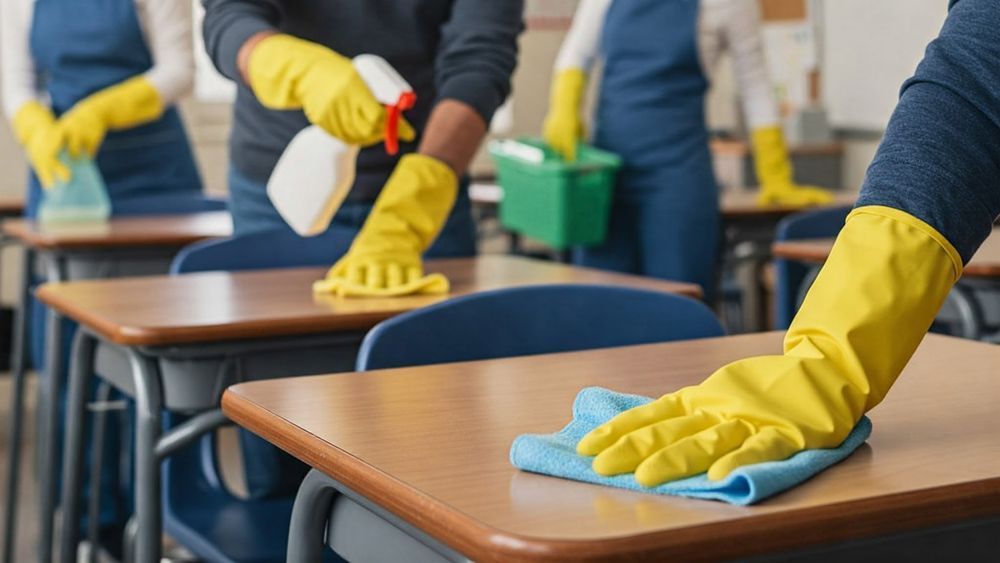
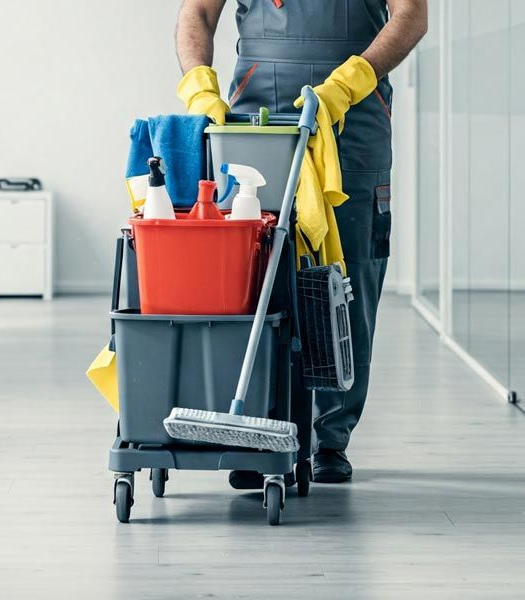
education cleaning services make a difference. These services focus on areas that often get overlooked. Our school cleaning programs include focused cafeteria and kitchen cleaning that keeps prep surfaces, serving lines, and dining tables sanitized to meet health code standards. When we deep clean cafeterias, we are doing more than just tidying up. We are actively helping schools stay healthier and safer. A thorough cleaning routine leaves everyone with a sense of pride in their space.
The Hidden Messes That Regular Cleaning Misses
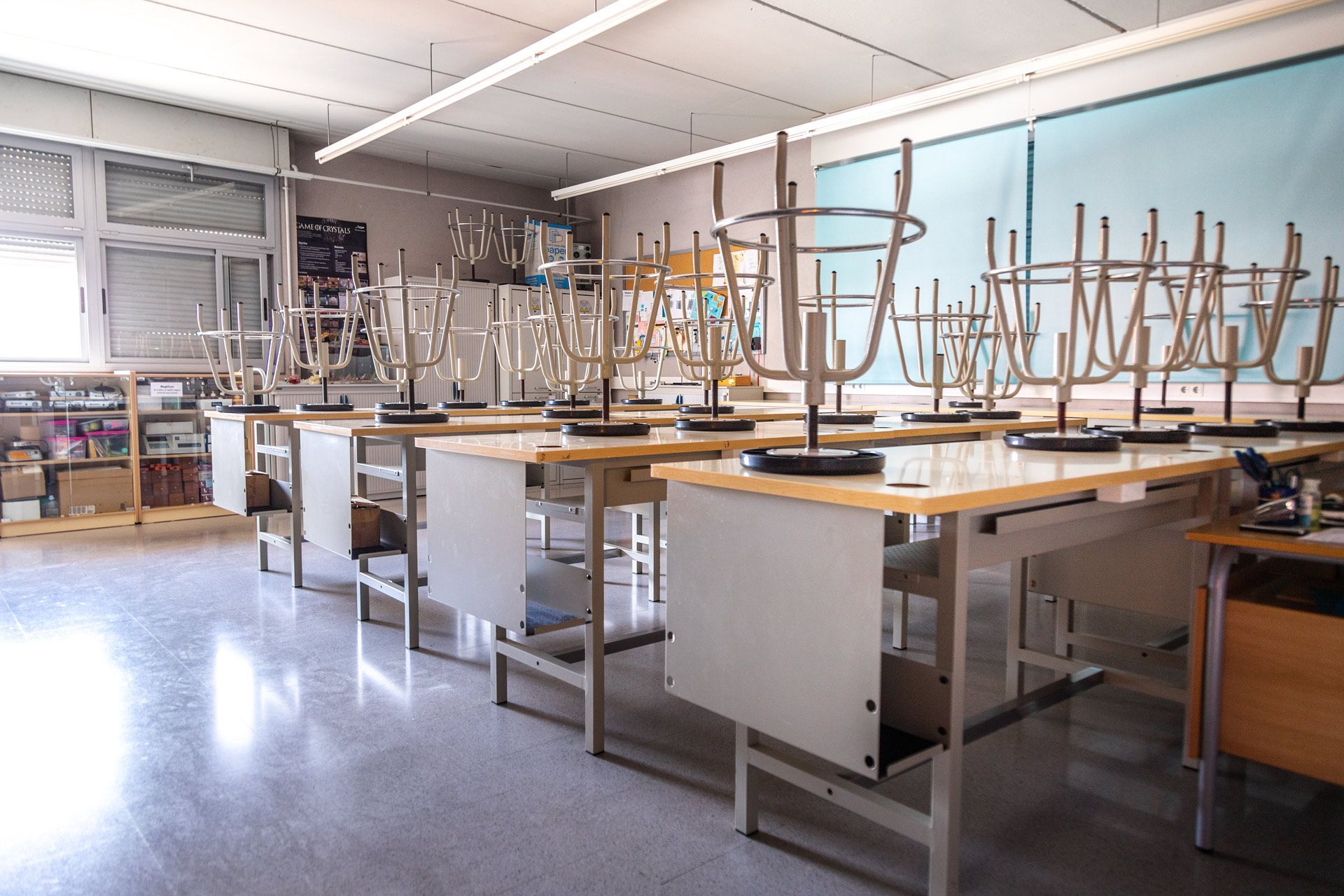
At a glance, the cafeteria might look clean. Tables are wiped and floors are swept. But what about behind the oven or under the food prep counters? These are the places where bacteria tends to hide and grow if not handled regularly. Regular cleaning sometimes misses many important spots. Here’s what regular cleaning may leave behind.
- Food crumbs behind appliances or inside vents that attract bugs and rodents
- Grease buildup in hidden kitchen corners that causes odors
- Sticky spills stuck to the back of chairs or deep in floor tile grout
- Unseen accumulations in nooks where cleaning tools cannot easily reach
This kind of buildup does not just stay put. It spreads around the space over time. When it is not cleaned thoroughly, that leftover grime keeps coming back. Deep cleaning breaks that cycle by reaching the spots that most people miss.
Winter in Shared Spaces: Why Cold Months Make It Worse
February in Pennsylvania means cold weather, snow, and a lot of time spent indoors. When everyone is eating inside the cafeteria day after day, the mess adds up faster than usual. In these cold months,
indoor cleaning challenges increase. The moisture from the weather and the extra people in close quarters can make hidden dirt more stubborn. During winter, we often run into a few extra problems.
- Wet boots drag in slush, salt, and grit, which gets tracked across floors and mats
- Cold weather keeps windows shut, so smells and fresh air do not circulate as easily
- More kids in the lunchroom means more dropped food, spills, and dirty hands touching every surface
When the temperature drops and people huddle indoors, bacteria finds a better place to grow. Schools in our area can face difficulties that test even the best routines. We serve schools within roughly a 100-mile radius of our headquarters in Annville, Pennsylvania, including cities like Harrisburg, PA, Reading, PA, and Philadelphia, PA, so cafeteria deep cleaning support is close at hand when winter conditions get intense. It is why deep cleaning becomes especially important this time of year. It helps keep those high-traffic areas from turning into places where illness can spread unexpectedly.
Healthier Lunch Breaks Start with Cleaner Spaces
Lunch should be a break rather than a reason to get sick. Cafeterias can harbor all sorts of germs, especially when food gets stuck in cracks or is forgotten under chairs. Even surfaces that look clean can still hold allergens and bacteria that affect student well-being. When we invest extra time in a deep clean, we see benefits that make a real difference during the lunch hour. The experience of eating in a neat environment helps everyone relax and enjoy their break more.
When schools invest in a deep clean, everyone benefits. For example:
- Odors from old food are removed at the source and are not just covered up
- Deep cleaning improves air quality by dealing with dust and mold buildup
- Students concentrate better when their space smells clean and feels fresh
A cleaner space reduces distractions significantly. When the air feels easier to breathe and tables do not remain sticky, kids are more ready to settle down once class resumes. The improvement in the surroundings makes a simple lunch break a more refreshing pause in the day.
How Deep Cleaning Protects Equipment and Surfaces
The equipment in a school’s cafeteria takes a beating throughout each busy day. Whether it is a sandwich press or a sink that runs constantly, these tools suffer from layers of grease or grime. Deep cleaning is not just about health; it is also about taking care of the equipment that keeps a cafeteria running smoothly. Regular deep cleaning helps reduce damage and extends the life of kitchen tools and surfaces. Maintaining a regular schedule of deeper cleaning saves time, effort, and unexpected repairs later on.
Here’s how deep cleaning keeps tools and spaces in better shape:
- Grease buildup around ovens and stovetops can become a fire risk if not removed regularly
- Worn-out flooring from grit and salt may suffer damage over time, especially during winter
- Cracked surfaces or damaged counters often result from long-term exposure to moisture and spills
During school breaks, deep cleaning procedures can restore the cafeteria to a like-new condition. Detailed attention to each piece of equipment means fewer breakdowns when school is in session. The process supports a more consistent and safe use of all kitchen tools.
Surface cleaning improves appearance. Deep cleaning improves safety.
In a busy school cafeteria, “looks clean” isn’t always “is clean.” Deep cleaning reaches the hidden areas where crumbs, grease, moisture, and germs build up—especially during winter.
Surface cleaning
-
Targets what’s easy to see Tables, obvious spills, and open floor areas.
-
Misses hidden hotspots Behind equipment, under counters, vents, and grout lines.
-
Odors can return If residue remains underneath or in corners, smells come back.
-
Short-term reset Helps daily appearance but doesn’t break the buildup cycle.
Deep cleaning
-
Reaches overlooked areas Under/behind equipment, edges, grout, vents, and tight nooks.
-
Reduces germs & allergens Targets high-touch and hard-to-reach buildup that can affect students.
-
Improves air & odor control Removes residue at the source—especially helpful in winter.
-
Protects floors & equipment Less grease/fire risk, less grit damage, fewer long-term repairs.
Clean Cafeterias Make a Big Difference
Having a clean cafeteria is not only a nice sight to see; it is also a smart way to protect students and support staff. A well-maintained space helps keep schools running on schedule by reducing the spread of illness. When we put care into how cafeterias are cleaned, we help stop sickness from spreading and keep essential functions operating properly. The cleanliness of a cafeteria touches every part of the school day, from a calm start to a smooth transition back to class.
A deep-cleaned cafeteria simply feels different. It is safer, smells better, and lasts longer. When students and staff share a space that is well cared for, it boosts the overall mood and makes mealtimes more pleasant. This extra care in cleaning supports more than just hygiene. It creates an environment that encourages focus, respect, and a sense of well-being throughout the school day. For many, the extra effort in maintaining cleanliness can lift spirits and set a positive tone for the rest of the day.
At Ames Janitorial, we know how important it is for schools to keep shared spaces like cafeterias clean and sanitary throughout the year, and we understand that a daily wipe down is not enough to protect the health of your students. Our
education cleaning services create healthier environments where students can thrive, so if you're ready to give your cafeteria the attention it deserves, contact us today to schedule a consultation.
Ready for a cleaner, healthier cafeteria?
A daily wipe-down isn’t enough to protect students from hidden grime and germs. Our education cleaning services help schools maintain safer, fresher lunch spaces all year — especially during winter’s high-traffic months.