Learning Spaces
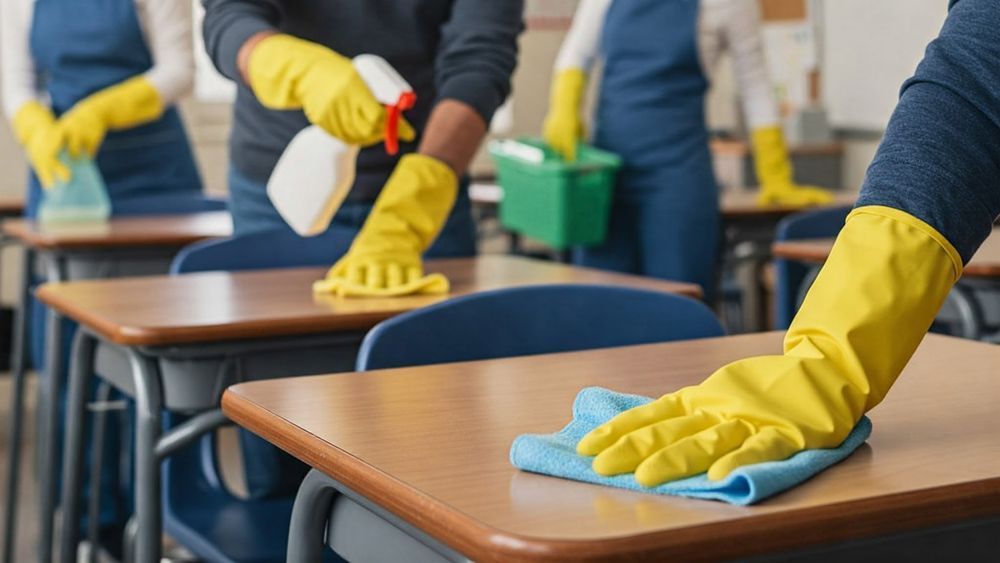
Move furniture, clean desks and chairs, dust vents and ledges, refresh boards, and reach corners that daily cleaning can miss.
Call to Schedule an Estimate:
(717) 838-8387 | (800) 454-2007
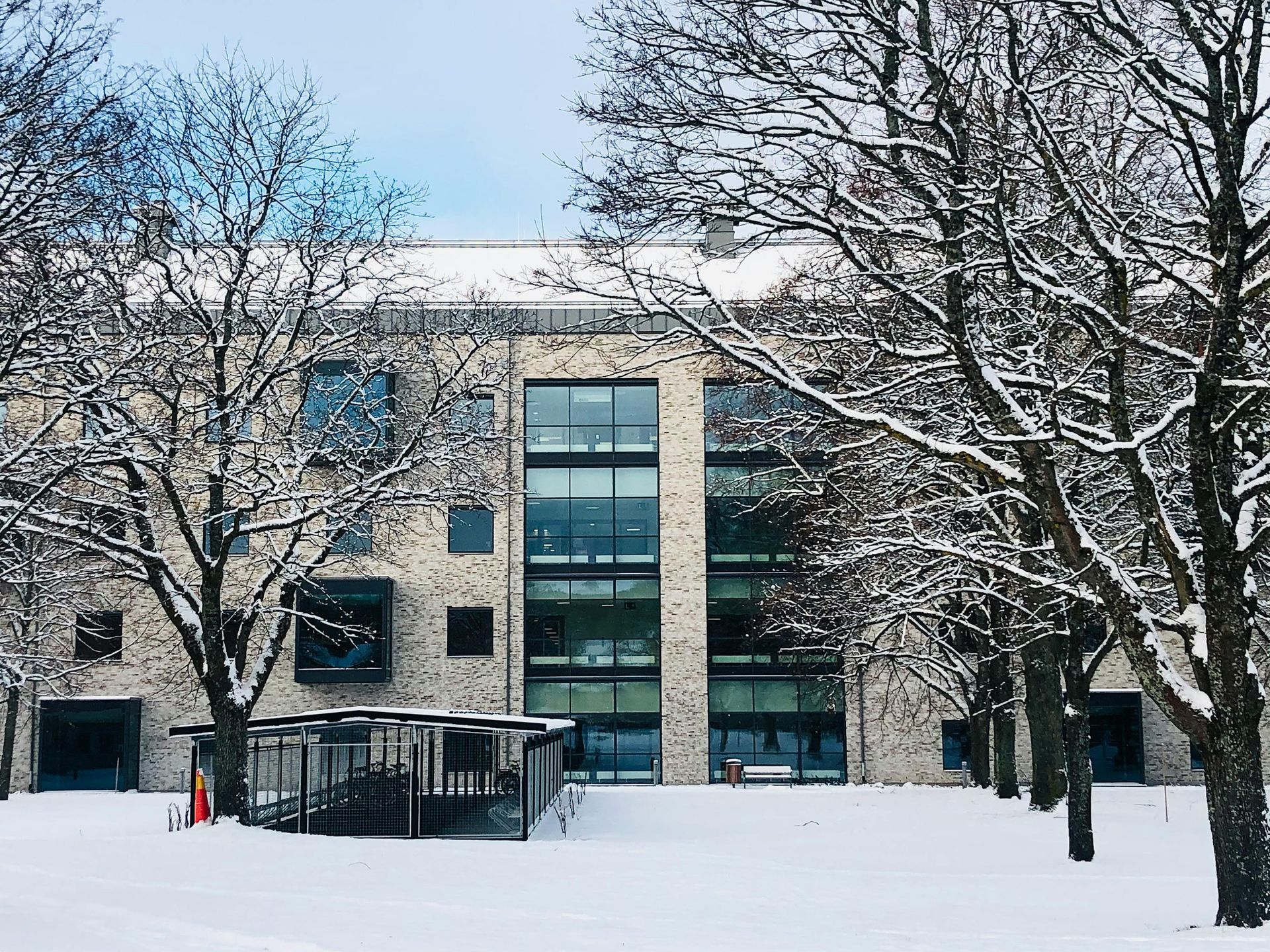
Summer break is the ideal window for Pennsylvania schools to reset classrooms, restrooms, cafeterias, floors, gyms, offices, and shared spaces before students and staff return.
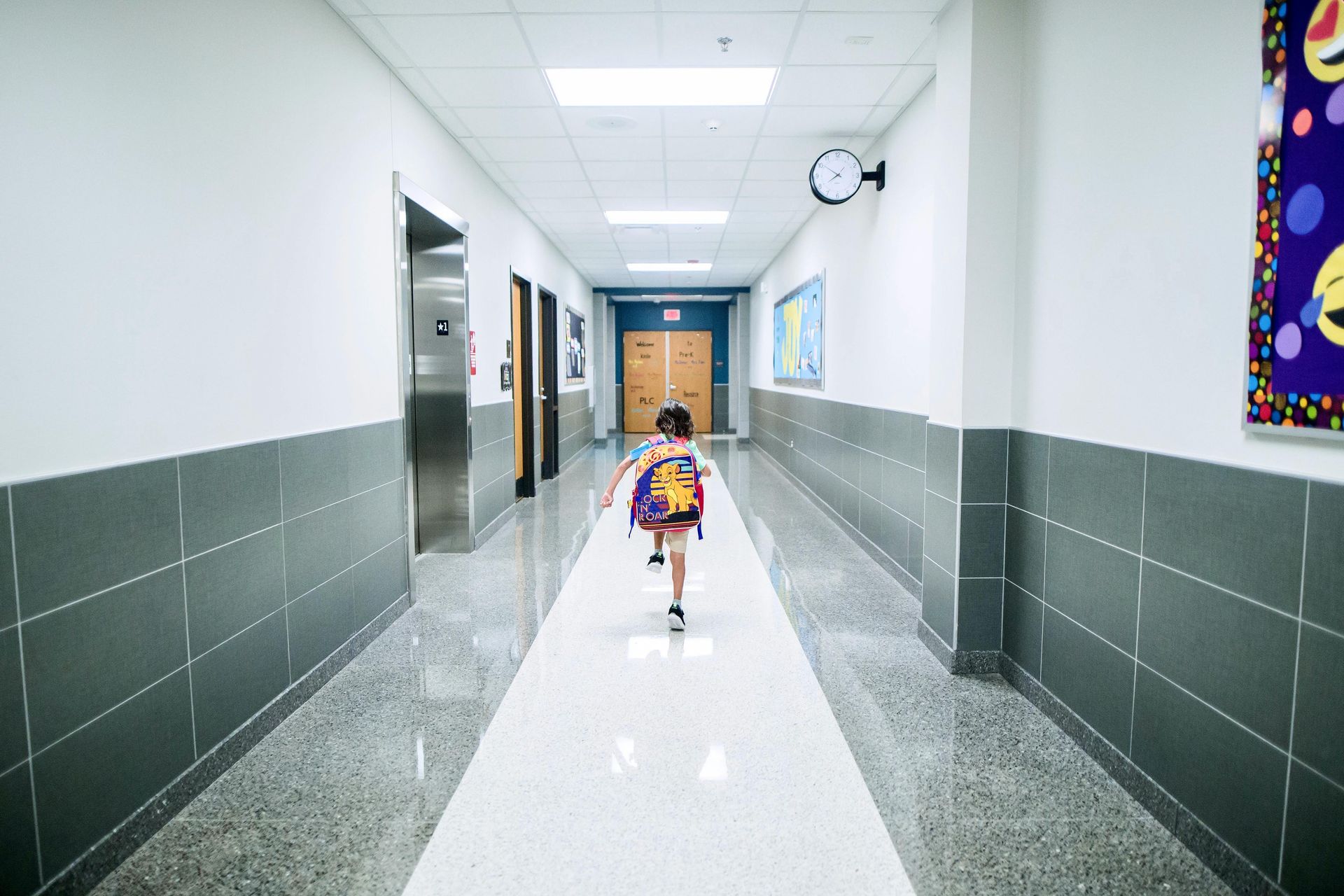
Summer break gives Pennsylvania schools one of the best chances of the year to reset the building. Classrooms are quieter, hallways are open, and custodial teams can complete detailed work that is hard to manage when students, teachers, clubs, practices, and after-school programs are all moving through the same spaces.
For public, private, and charter schools in Annville, Hershey, Palmyra, Lebanon County, Dauphin County, Lancaster County, Berks County, Lehigh County, York County, and nearby communities, a strong summer cleaning plan does more than make the campus look fresh. It helps protect floors and fixtures, reduce odors, improve first impressions, and give staff a smoother start when the new school year arrives.
Use this checklist to plan your summer deep cleaning schedule, decide where extra help may be needed, and make sure your campus is ready before teachers and students return.
During the school year, cleaning has to fit around daily routines. Crews focus on restrooms, trash, cafeteria cleanup, classroom touchpoints, spills, weather mess, and the tasks needed to reopen the building the next morning. That work matters, but it does not always leave enough time for deep floor care, storage areas, high fixtures, locker rooms, and specialty projects.
Summer gives administrators and facility managers a larger window to work from a complete plan. Schools that operate camps, summer programs, or year-round services can still benefit from a phased schedule that protects occupied spaces while deeper cleaning happens section by section. Ames Janitorial Services supports
school cleaning services in Pennsylvania with customized programs for classrooms, offices, restrooms, cafeterias, gyms, hallways, and other educational spaces.
Classrooms collect more than visible dust. Desks, chairs, shelves, cubbies, marker trays, door handles, light switches, shared technology, and storage bins are touched constantly during the school year. Even when classrooms are cleaned regularly, summer gives custodial teams a chance to move through each room more carefully.
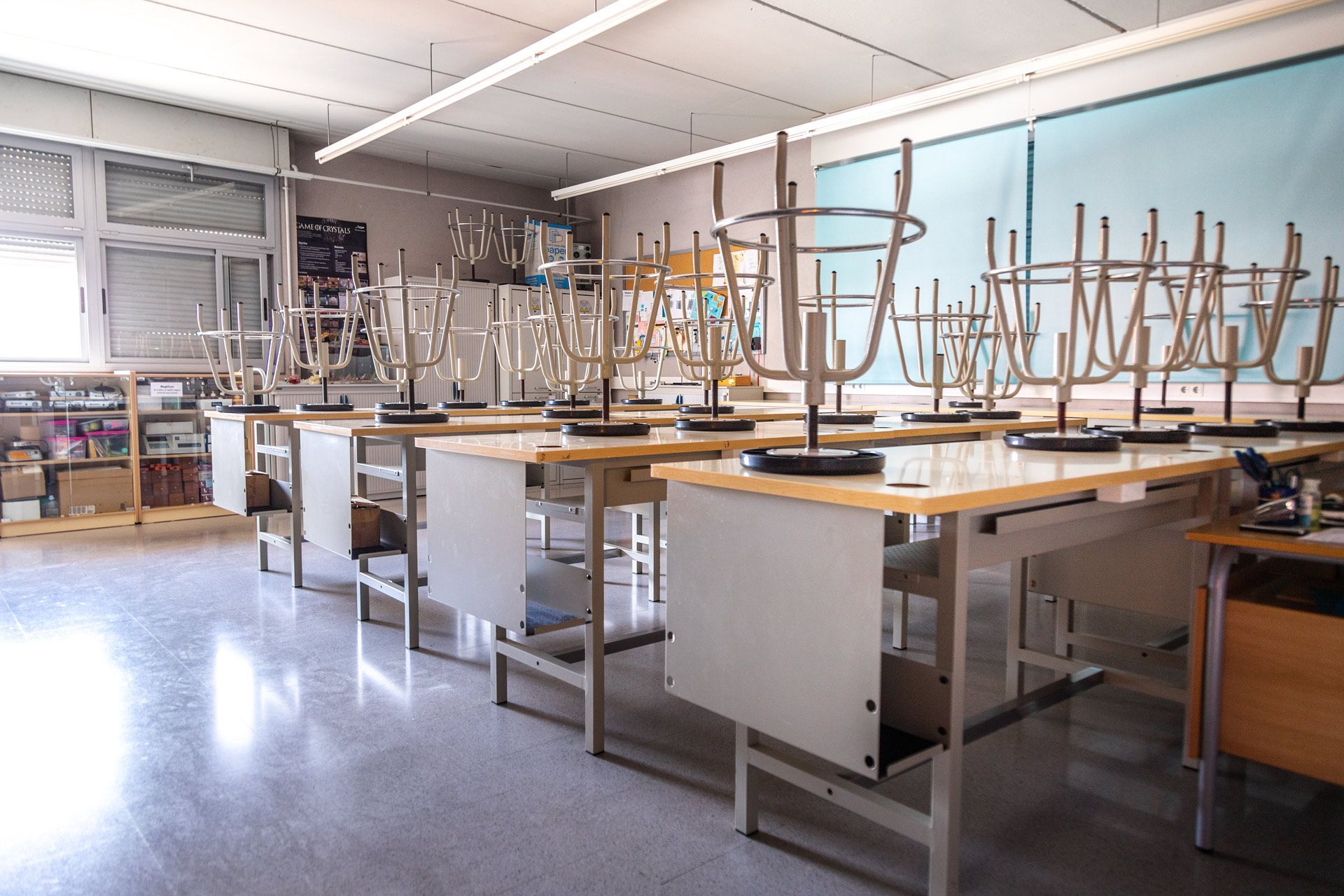
A practical classroom checklist should include wiping and disinfecting desks and tables, cleaning chairs and chair legs, dusting ledges and vents, cleaning door glass, removing residue from whiteboards, vacuuming or extracting carpets where needed, and mopping or machine-scrubbing hard floors. Furniture should be moved when possible so edges, corners, and baseboards are not missed.
It also helps to ask teachers to clear surfaces before break. Books, personal supplies, student projects, and teaching materials can slow the process if they are left on desks, counters, or floors.
Use this quick visual guide to decide where to focus first, especially when summer programs, staffing gaps, or maintenance projects limit access.
Move furniture, clean desks and chairs, dust vents and ledges, refresh boards, and reach corners that daily cleaning can miss.
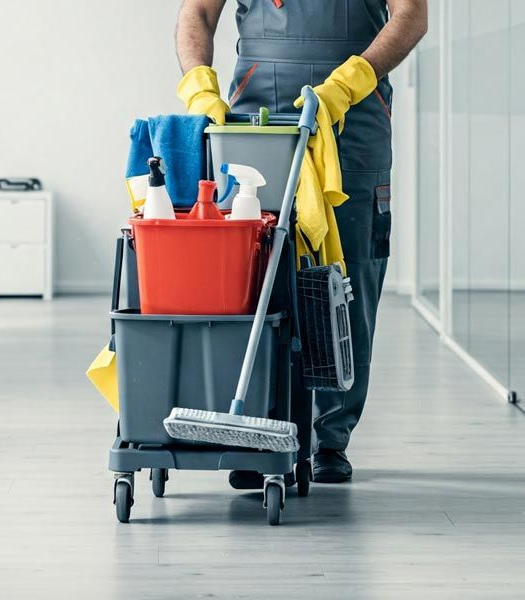
Focus on fixtures, partitions, drains, grout, odor sources, dispensers, showers, benches, lockers, and touchpoints.
Reset tables, chairs, serving areas, trash stations, wall spots, baseboards, handrails, floors, and sticky residue zones.
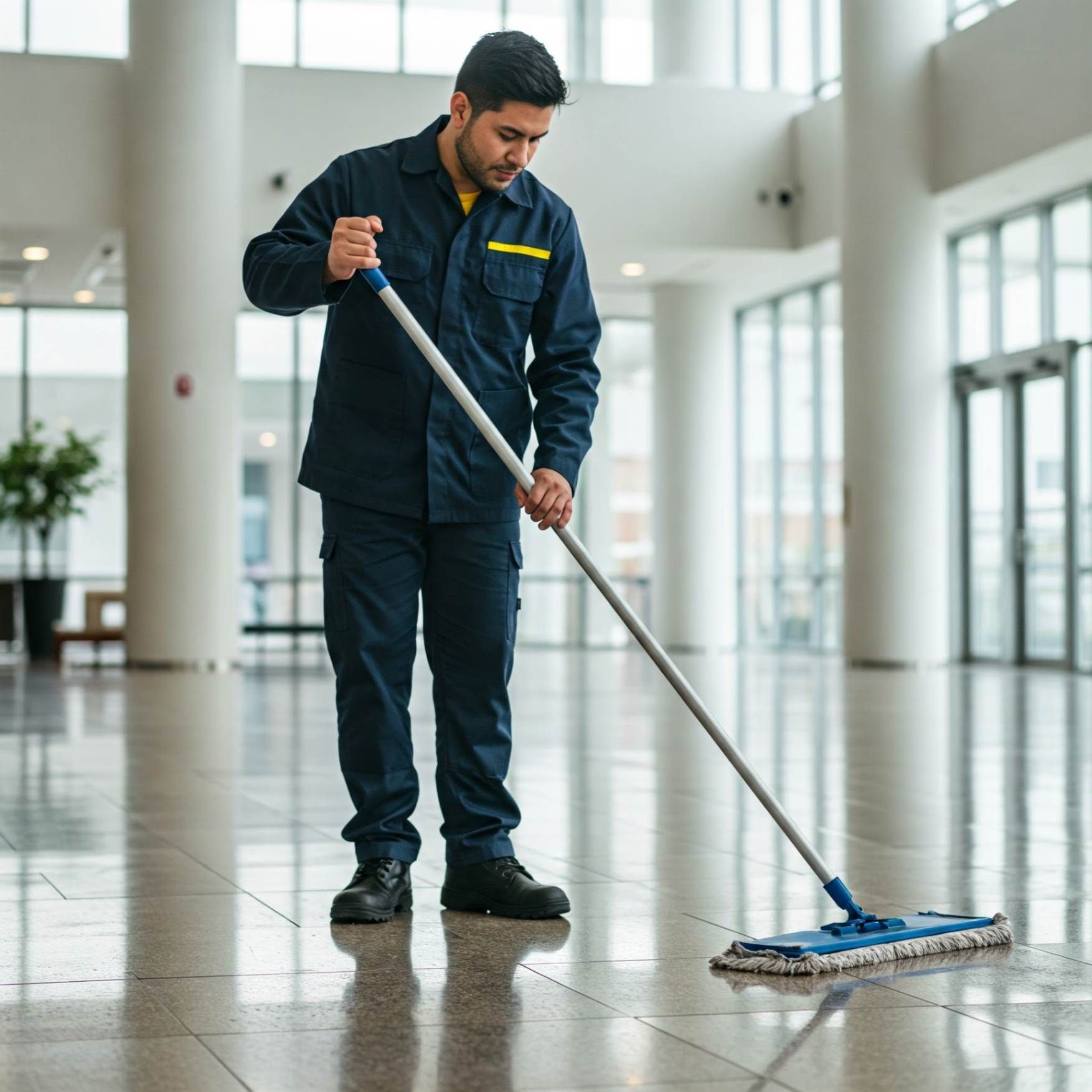
Schedule extraction, scrubbing, strip and finish work, buffing, mat cleaning, grout care, and safety checks.
Include bleachers, mats, water fountains, stairwells, libraries, offices, nurse areas, lobbies, and storage rooms.
Walk the building, verify completed work, restock supplies, confirm odors are controlled, and document unfinished tasks.
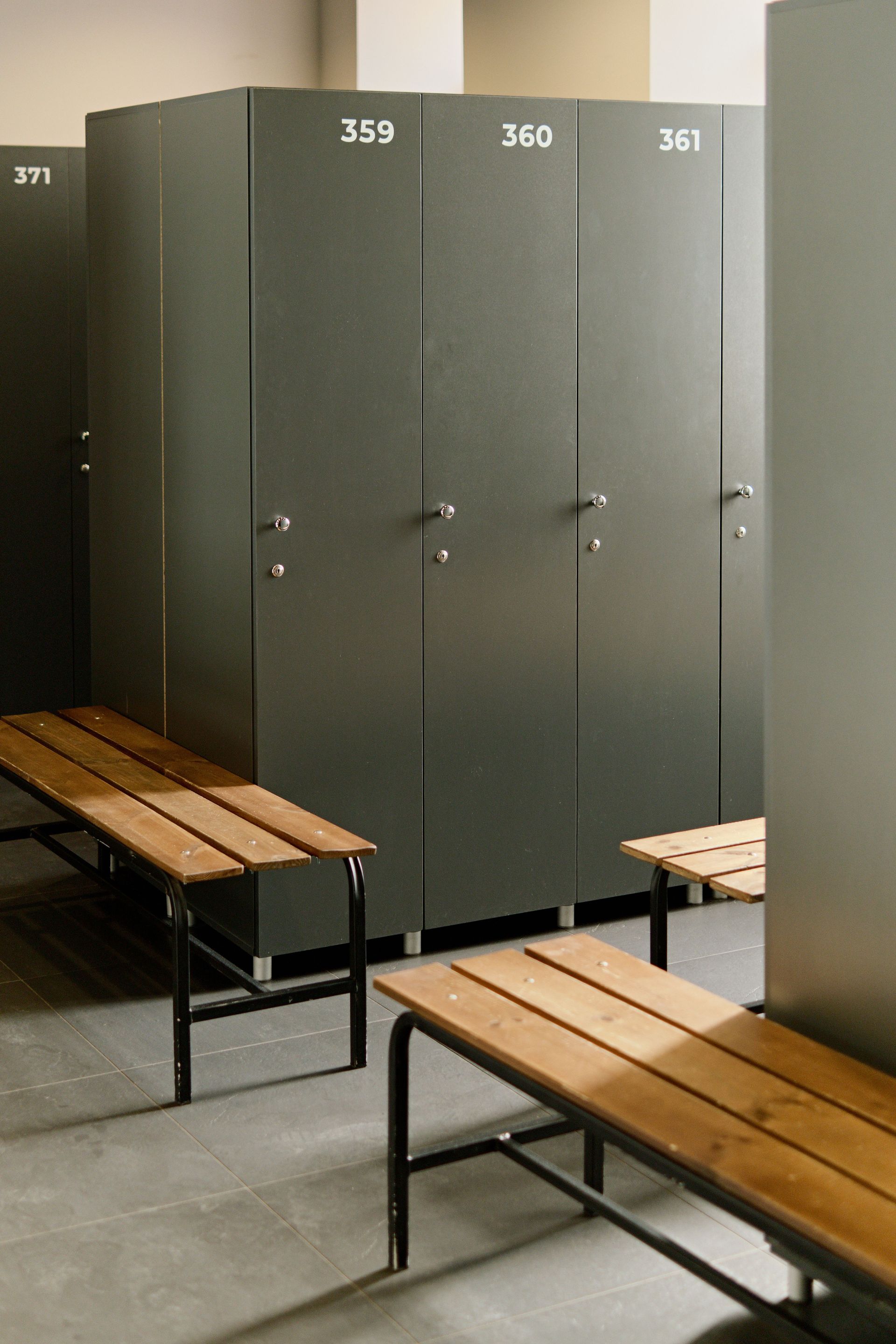
Restrooms and locker rooms should be high on the summer break checklist because they affect student comfort, parent confidence, and staff satisfaction. These areas see heavy use, moisture, odors, soap buildup, paper waste, and frequent touchpoints.
Summer restroom cleaning should include toilets, urinals, sinks, partitions, doors, handles, dispensers, mirrors, floor edges, drains, tile, grout, and walls around high-use areas. Locker rooms need similar attention, with added focus on benches, lockers, showers, athletic equipment areas, floor drains, and deodorizing.
This is also a good time to note maintenance issues such as loose dispensers, stained partitions, weak ventilation, slow drains, damaged caulk, or recurring odors. When cleaning and maintenance teams coordinate during summer, schools can solve small issues before they become daily complaints.
Cafeterias, kitchens, teacher lounges, snack areas, and shared eating spaces need a deeper reset after months of spills, crumbs, grease, sticky residue, and heavy traffic. Even clean-looking areas can hide buildup under tables, around chair legs, behind equipment, along baseboards, and in grout lines.
A summer cafeteria cleaning plan should include tables, chairs, serving lines, handrails, trash and recycling areas, doors, light switches, floors, corners, wall spots, and high-touch surfaces. If the food service area is included in the cleaning scope, work should be coordinated with food service leadership so equipment, storage, pest prevention, and compliance needs are respected.
School floors take a beating from shoes, rolling carts, backpacks, winter salt, cafeteria spills, athletic traffic, and daily movement between classes. Summer is often the best time to complete floor projects because rooms can be cleared, drying times can be protected, and crews can work without disrupting instruction.
A complete floor care checklist may include vacuuming, carpet spotting, carpet extraction, machine scrubbing, ceramic tile and grout cleaning, vinyl and VCT stripping and finishing, buffing, and entryway mat cleaning. Ames provides specialty cleaning services such as carpet and upholstery cleaning, ceramic tile cleaning and sealing, and vinyl and VCT floor stripping and finishing for facilities that need more than routine janitorial work.
Floors should also be reviewed for safety. Look for slick spots, lifting tiles, worn finish, cracked grout, loose transition strips, and entry areas that will need more attention during rainy or snowy months.
Summer cleaning should include the spaces that may not get the same attention as classrooms and restrooms during the year. Gyms, auditoriums, libraries, administrative offices, nurse areas, conference rooms, lobbies, stairwells, staff rooms, and storage areas all contribute to how the building feels and functions.
In gyms and athletic spaces, focus on floors, bleachers, mats, locker areas, doors, equipment storage, water fountains, and high-touch surfaces. In offices and reception areas, clean counters, phones, chairs, door glass, waiting areas, floors, and shared equipment. Entryways deserve special attention because they are the first spaces families, visitors, and staff see when they enter the building.
High-touch surfaces deserve a clear plan during summer cleaning and throughout the year. The CDC recommends cleaning high-touch surfaces regularly and disinfecting surfaces where people have obviously been ill. For schools, that can include door handles, desks, railings, faucets, light switches, shared equipment, push plates, counters, and restroom fixtures.
Summer is also a good time to review cleaning products, procedures, storage, and staff training. The
EPA’s school guidance on cleaning supplies reminds facility managers, custodians, and school administrators to use EPA-registered disinfectants according to label instructions. Product dwell time, surface compatibility, ventilation, and safe handling all affect the quality and safety of the work.
Even the best checklist can fall behind without the right people in place. Summer vacations, open positions, building projects, special events, and back-to-school deadlines can stretch internal teams. Before work begins, identify who will handle daily cleaning, who will complete deep cleaning, who will support floor care, who will inspect completed areas, and who will respond if a space has to reopen for camps, contractors, or staff meetings.
Ames provides
custodial and janitorial staffing solutions for Pennsylvania schools that need full-time or part-time support. This can help school leaders maintain steady coverage, complete summer projects on schedule, and reduce pressure on internal teams before the busiest weeks of reopening.
The final walk-through is where the summer plan turns into school-year readiness. Administrators, facility managers, and cleaning leads should walk the building with the checklist in hand. Look at classrooms, restrooms, locker rooms, cafeterias, hallways, offices, entrances, gyms, and any specialty areas that were included in the scope.
Check whether floors are ready, surfaces are clean, restrooms are stocked, odors are controlled, trash areas are reset, glass is presentable, and unfinished tasks are documented. Schools across
Ames’ janitorial and cleaning service area can use the final walk-through to confirm that summer projects support the bigger goal: a clean, safe, welcoming building that is ready for learning on day one.
Ames Janitorial Services supports Pennsylvania schools with customized cleaning plans, specialty floor care, and full-time or part-time custodial staffing so your building can reopen clean, organized, and welcoming.
A strong summer break cleaning plan gives your school a fresh start, protects your facility investment, and helps staff begin the year with fewer distractions. Ames Janitorial Services is based in Annville and serves schools and organizations throughout Central Pennsylvania and surrounding regions, including Hershey, Palmyra, Harrisburg, Lebanon County, Dauphin County, Lancaster County, Berks County, Lehigh County, York County, Chester County, Reading, and Philadelphia.
Ready to give your campus a cleaner start before the next school year? Request a free estimate from Ames Janitorial Services and talk with a local team about a summer school cleaning plan that fits your building.
These questions help administrators and facility managers plan timing, scope, and staffing before school reopens.
Schools should start planning several weeks before the last day of classes so summer programs, access, staffing, floor care, and maintenance needs are clear.
Include classrooms, restrooms, locker rooms, cafeterias, gyms, offices, libraries, entrances, hallways, stairwells, floors, windows, high-touch surfaces, storage areas, and specialty spaces.
Yes. Daily custodial work keeps the building functioning, while summer deep cleaning covers floor restoration, carpet extraction, high dusting, and cleaning behind furniture or equipment.
Yes. Ames offers full-time and part-time custodial staffing support for Pennsylvania schools that need help with summer projects, absences, open roles, or heavier workloads.

MENU




Website & Hosting by RedX Web Design. Built with SovoWeb CMS.